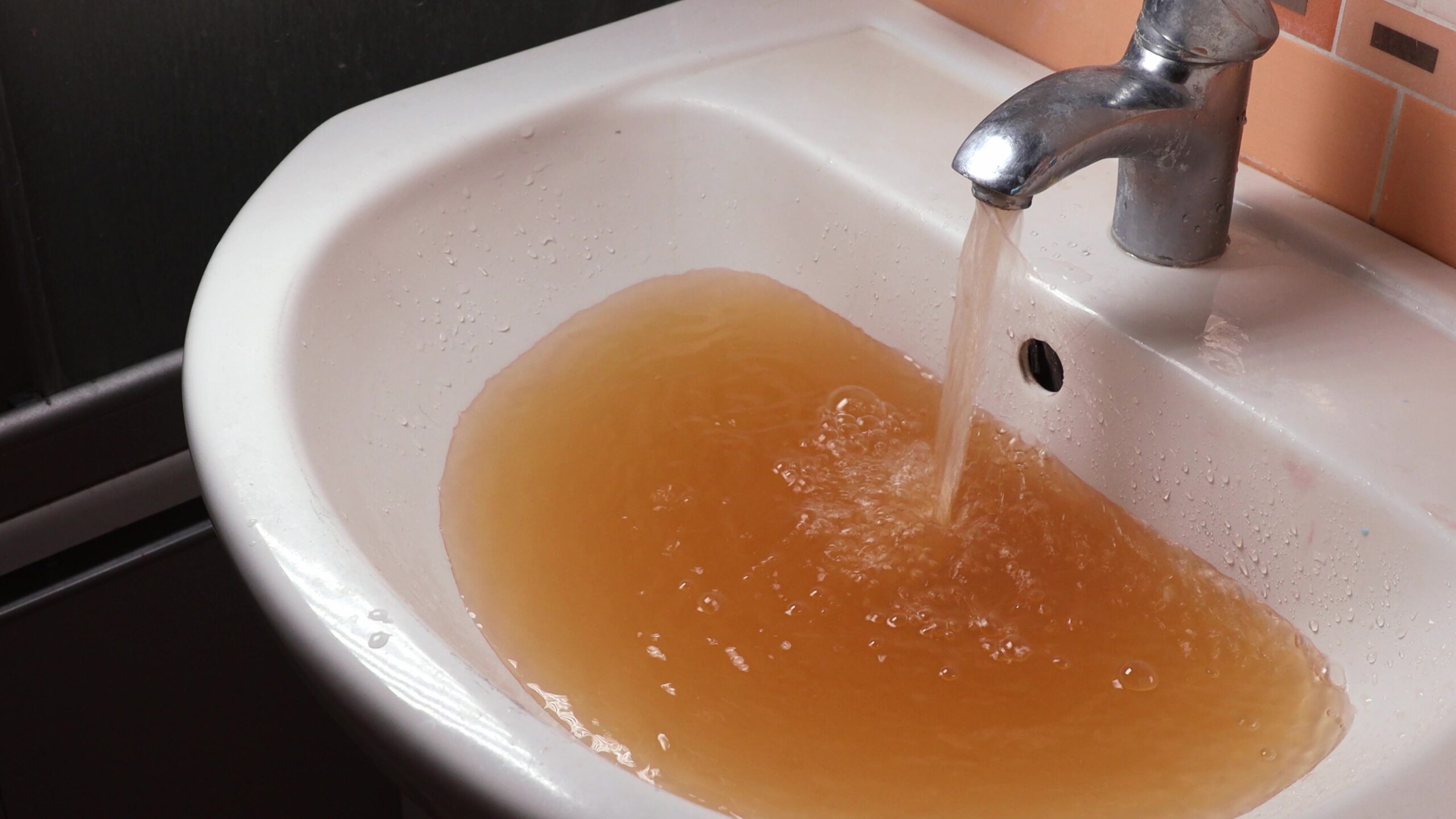
The Challenge: Persistent Dirty Water Complaints For one particular council, ensuring clean and clear drinking water was becoming an increasingly difficult task. A particular area of their water network was plagued by discolouration issues, leading to a surge in customer complaints. In 33 days between December 2024 and January 2024, the council logged 77 dirty…
The water industry is at a critical juncture. The drumbeat of “asset renewal” reverberates through every conference hall and boardroom, a testament to the aging infrastructure beneath our cities. Yet, despite the undeniable need to replace and upgrade, a nagging question persists: Are we truly doing this better, more efficiently, and driven by data rather…
The Silent Threat Just as high blood pressure silently damages the human body, leading to potentially fatal consequences like heart attacks, unchecked water pressure within our networks poses a similar threat. Ignoring elevated pressure in a water distribution system is akin to neglecting a critical health issue, risking catastrophic bursts, substantial water loss, and compromised…
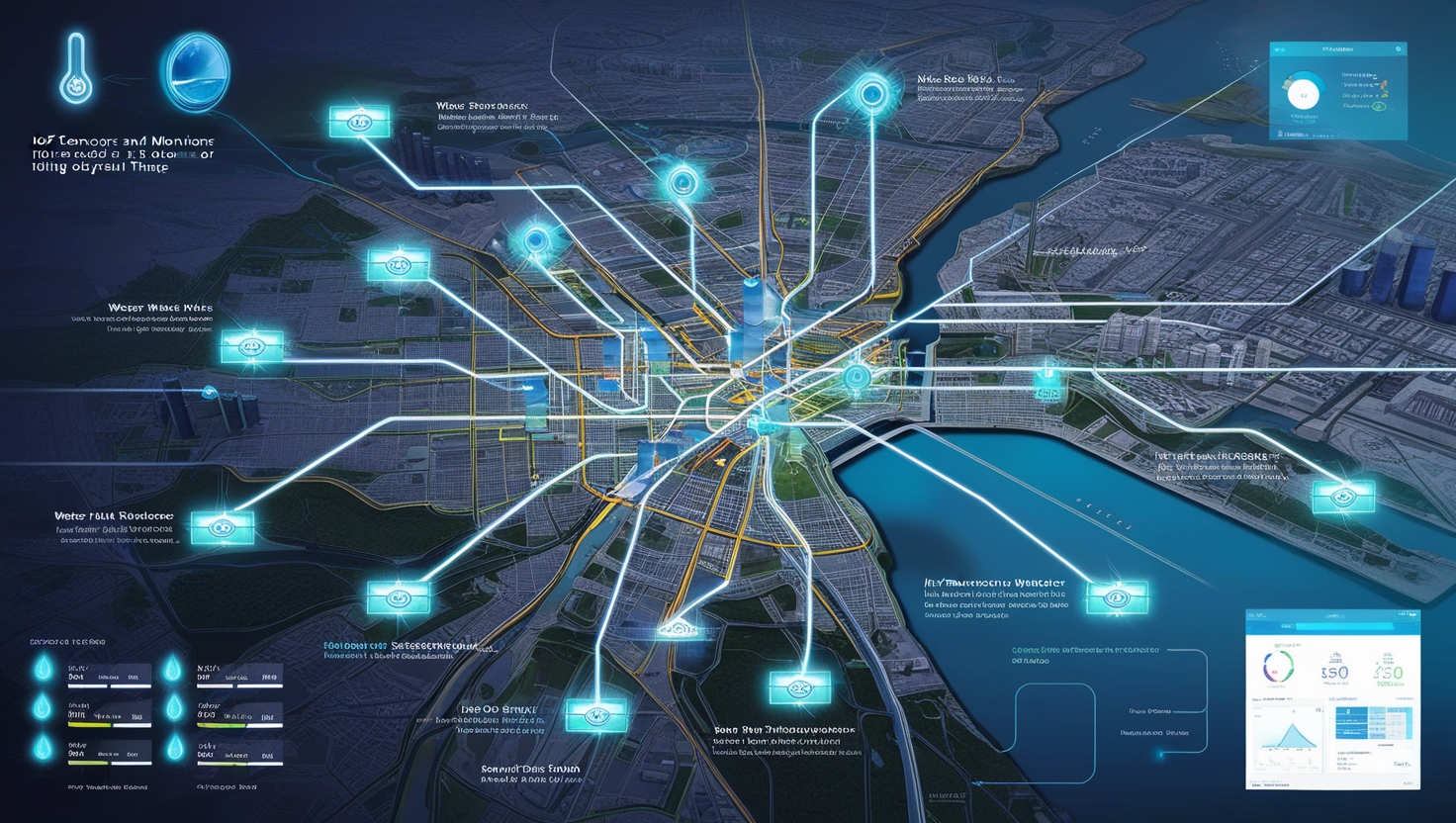
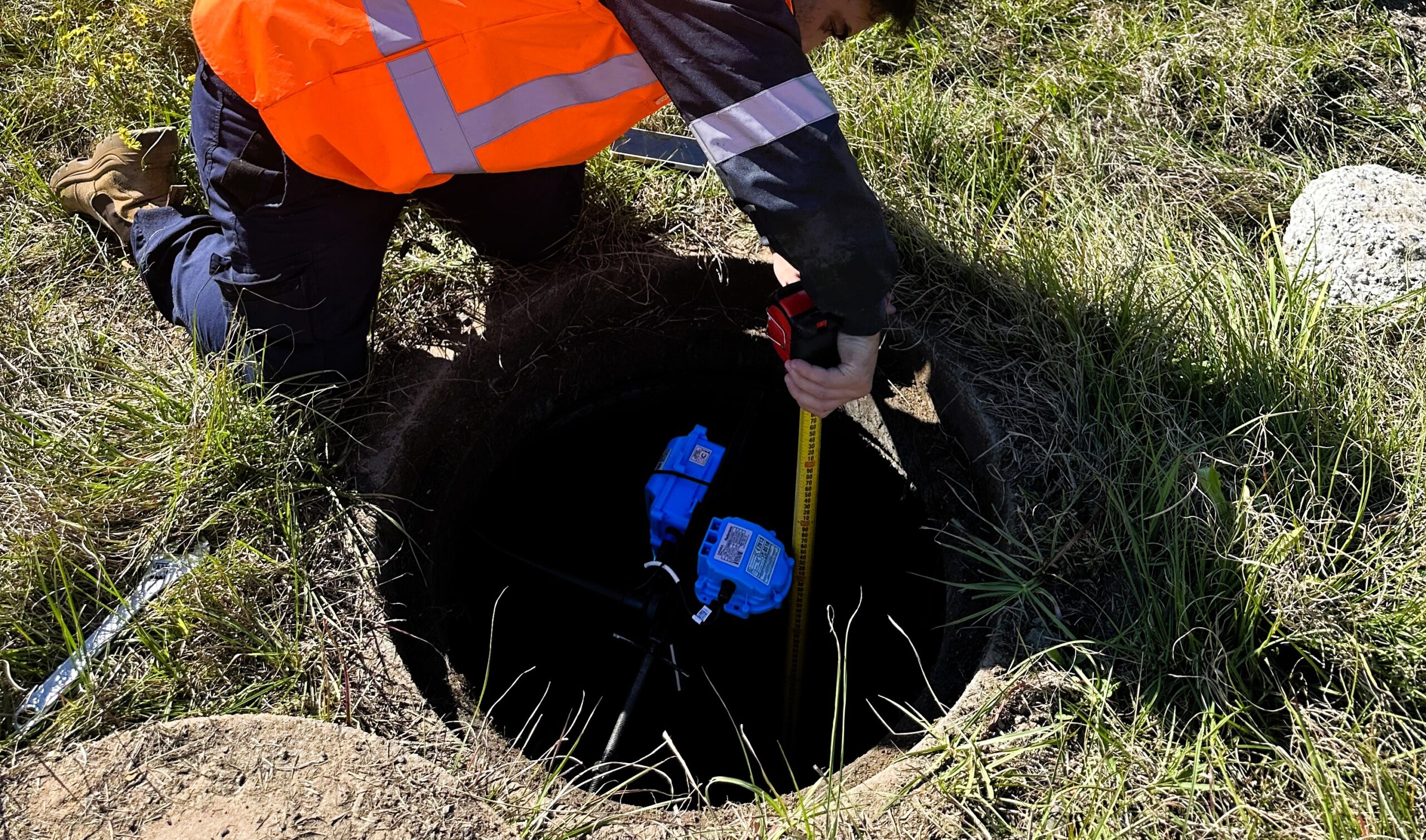
Ensuring the integrity of wastewater infrastructure is essential for protecting both public health and the environment. Aging networks, rising demand, and the increasing unpredictability of extreme weather events pose constant challenges. However, advances in technology—specifically in predictive maintenance powered by wastewater level monitoring—offer a proactive approach to managing these challenges. By harnessing real-time data,…
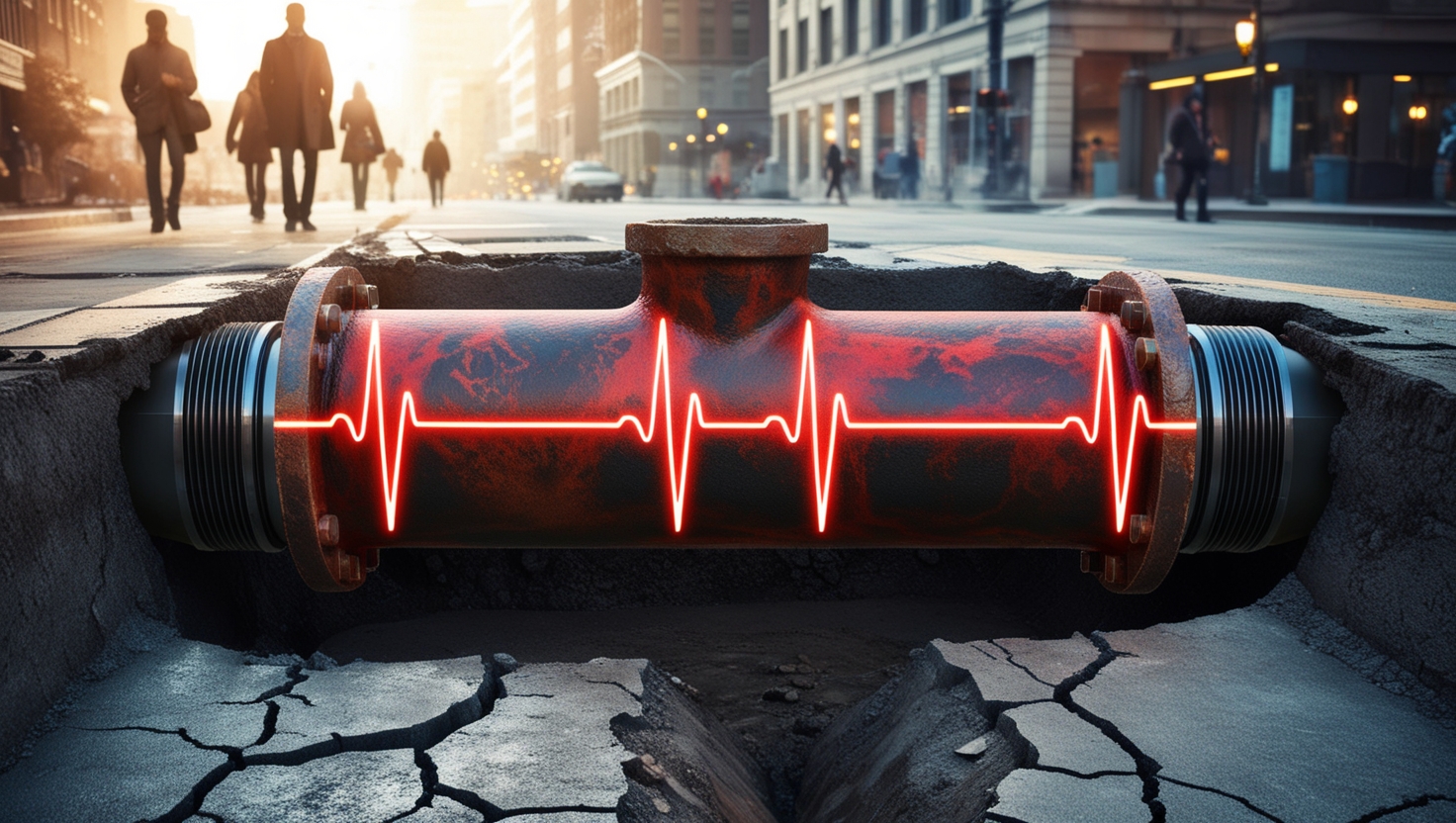
Proactive Pipeline Protection The silent vulnerability of ageing sewer rising or forced mains poses a significant threat to water utilities worldwide. These critical assets, often hidden from view, are susceptible to a multitude of failures – pressure surges, joint leakage, and insidious corrosion, both internal and external. The consequences of such failures are devastating,…
For engineers tasked with maintaining our vital water infrastructure, the choice of cleaning method is critical. We’re not just looking for efficacy; we need solutions that align with our commitment to sustainability, minimal environmental impact, and responsible resource management. In this context, a comparison between NO-DES and ozone cleaning reveals significant advantages for NO-DES, particularly in…
Water utilities play a critical role in ensuring the delivery of clean, safe water to communities. A vital component of this process is the use of water quality monitoring systems and sensors, which provide real-time insights into water health. However, maintaining these systems comes at a significant cost. From routine cleaning to calibration, the ongoing…
Severe weather events, fueled by climate change, are placing unprecedented stress on water infrastructure worldwide. From floods and cyclones to prolonged droughts, these events disrupt water supply systems, jeopardise water quality, and can damage pipeline and associated assets. For water utilities and councils, acting swiftly and strategically to address these impacts is no longer optional—it…
An accurate condition assessment of a pipeline empowers utilities to make the best use of their resources, but it’s important to use the right technology for your asset type. Information is the key to success in asset management. With finite resources at their disposal, utilities need to ensure that they can allocate their time and…
Water utilities and councils face a dual challenge in managing reticulation water pipelines: ensuring the quality of potable water and maximising the lifespan of infrastructure assets. One of the most insidious threats to both goals is biofilm formation within pipelines. Biofilms, while invisible to the naked eye, have a profound impact on water quality, public…
We use cookies to ensure that you get the best website experience. By using our website you consent to the use of cookies in accordance with our privacy policy.