

Transient Monitoring Uncovers Major Unauthorised Water Use and Asset Risk
For councils and utilities managing vast, aging water networks, the silent threat of water hammer – or high magnitude pressure transients – is a constant, insidious risk. These sudden, massive pressure surges drastically accelerate pipe failure, stress joints, and lead to costly, disruptive repairs.
This case study demonstrates how a proactive, data-driven transient monitoring approach, utilising advanced acoustic and pressure sensing technology, enabled this proactive council to not only pinpoint a significant source of damaging transients but also uncover a suspected major unauthorised water connection, safeguarding their infrastructure and water resources.
The Problem: An Invisible Threat Hiding in Plain Sight
The investigation began following the deployment of a new generation of InflowSense transient monitoring loggers across the water network, part of a broader strategy to proactively manage asset health. One logger, positioned at a nearby Water Pumping Station (WPS) in an industrial area, immediately flagged a critical concern.
Data from the WPS sensor showed critically high daily Cumulative Pressure Induced Stress (CPIS) values. CPIS is a vital metric that quantifies the long-term, damaging effect of recurring pressure spikes on a pipe’s integrity. The high readings indicated that the assets in this zone—a network comprising a vulnerable mix of 200mm Asbestos Cement (AC), Ductile Iron (DI), and Polyethylene (PE) pipes – were being subjected to extreme, repetitive stresses.
The Transient Characteristics
Analysis of the data revealed a recurring, high-impact event with three distinct characteristics:
- Sudden Consumption: A rapid pressure drop from 82 meters to 71 meters, persisting for approximately five minutes, indicative of a large, sudden water draw.
- Massive Water Hammer: A sharp, immediate pressure surge following the consumption period, spiking pressure to an alarming 133 meters.
- Pressure Oscillation: The surge was followed by approximately one minute of pressure oscillation, confirming the presence of significant transient forces.
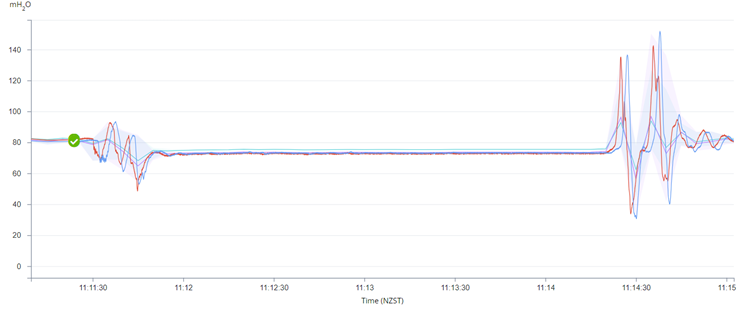
Figure 1: Consumption Event Pressure Decrease and Subsequent Water Hammer
These events were occurring on average 35 times per month, each generating a damaging transient with a CPIS rating of 500m. The cumulative effect of these shocks was rapidly compromising the multi-material pipeline network, a primary factor in the area’s history of pipe failures.
The Solution: Pinpointing the Source with Precision
The goal was to move from detecting the problem at the pumping station to identifying the exact location and source of the transient initiation. This required a phased, ‘lift and shift’ deployment strategy using the advanced InflowSense pressure loggers.
- Phased Deployment and Narrowing the Zone
Initial loggers were deployed across three separate roads, referred to as sites A, B, and C. Analysis showed a significant reduction in transient effect further down the network indicating the source was closer to the WWS.
The team then refined the deployment, placing loggers strategically across a sites A, B and D.
- Identifying the Initiation Point
Pressure data from this refined setup provided the crucial insight. During the consumption event, the pressure decrease was recorded first at the Site C sensor, followed milliseconds later by the other sensors. Similarly, the subsequent pressure spike was earliest and highest at the Site C location.
This consistent pattern—the earliest drop and the highest spike—irrefutably proved that the transient source was in the immediate vicinity of site C.
- Source Confirmation using Dual-Technology Monitoring
Concerns had been previously raised by the council regarding a suspicious, fabricated pipework assembly within an adjacent company premises. To obtain conclusive evidence, a dual-technology approach was employed:
- Transient Pressure Monitoring (InflowSense): Continued 128 Hz interval pressure logging.
- Acoustic Consumption Monitoring (FIDO Bugs): Surface-mounted FIDO Bugs were deployed on a nearby hydrant (18967) in ‘Consumption Mode’ to detect acoustic signatures of water draw.
-
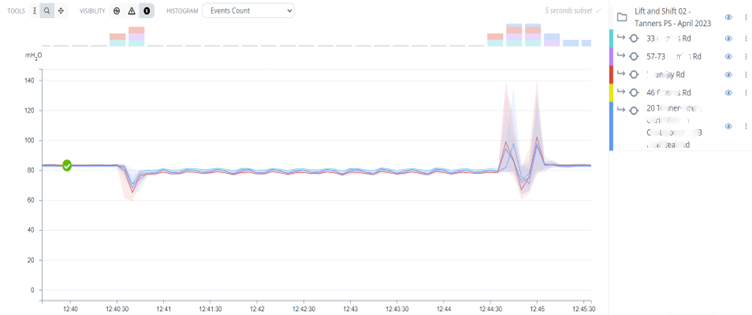
Figure 4: Consumption Event Across Five Sensors
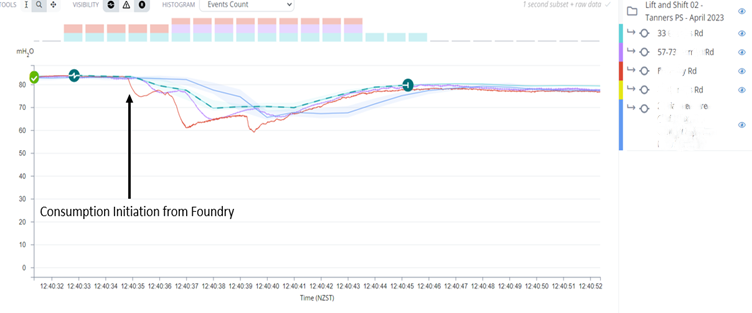
Figure 5: Initiation on the Red Line
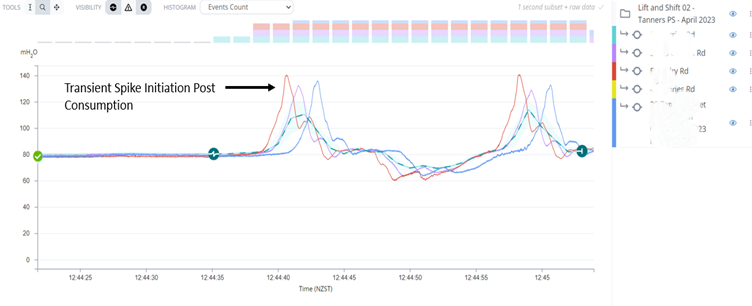
Figure 6: Pressure Spike Post Consumption Red Line
On the 25th of May, at 12:42 PM, a field technician physically observed a tanker being filled from the suspect pipe assembly inside the commercial business’ premises.
The Data Validation:
Simultaneous analysis of the data provided the “smoking gun.”
- At the exact time of the consumption and transient pressure event on the InflowSense logger, the FIDO sensor recorded a distinct, corresponding spike in consumption noise data.
This synchronicity confirmed that the transient was directly caused by the filling of the tanker from a pipe assembly at the back of site C, strongly suggesting an unauthorised or unknown connection to the water main.
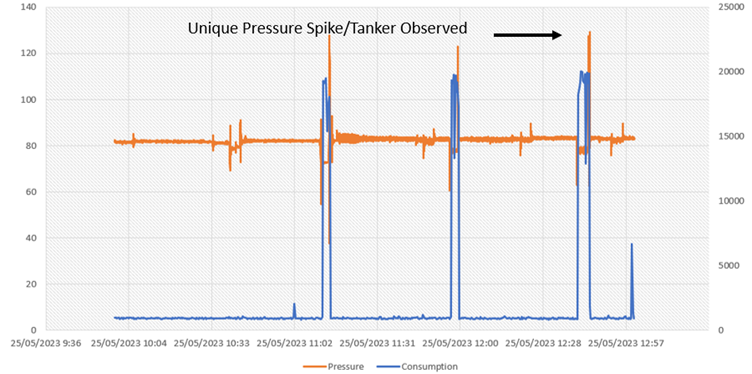
Figure 7: FIDO Consumption Data with Pressure Data at 1 Second Recording
The Outcome: Asset Protection and Resource Recovery
The successful investigation provided the council with irrefutable evidence to address a major issue that was simultaneously damaging critical infrastructure and resulting in significant water loss.
- Asset Protection: The immediate removal of the major transient source – an event that induced a CPIS of 500m, 35 times a month—effectively stopped the accelerated decay of the mixed-material pipe network in this particular Water Supply Zone. This single intervention significantly extended the remaining useful life of the assets and deferred costly, non-scheduled failure repairs.
- Water Resource Management: The consumption event was calculated to be drawing approximately 30 litres per second. Based on the frequency, this suspected unauthorised use represented an estimated loss of 315,000 litres per month of unbilled water. The case study empowered the council to pursue the necessary actions to secure this critical water resource.
- Reputational Safeguard: By proactively identifying and resolving the issue before catastrophic failure, the council prevented the major service disruption and associated reputational damage that a high-profile pipe burst in an industrial area would have caused.
This case study is a clear demonstration that proactive, real-time transient monitoring is no longer a luxury, but a critical component of modern, sustainable asset management. By turning complex pressure data into actionable intelligence, councils and utilities can safeguard their infrastructure, protect their water resources, and ensure reliable service delivery for their communities.
For more information on our transient monitoring services please get in touch here.